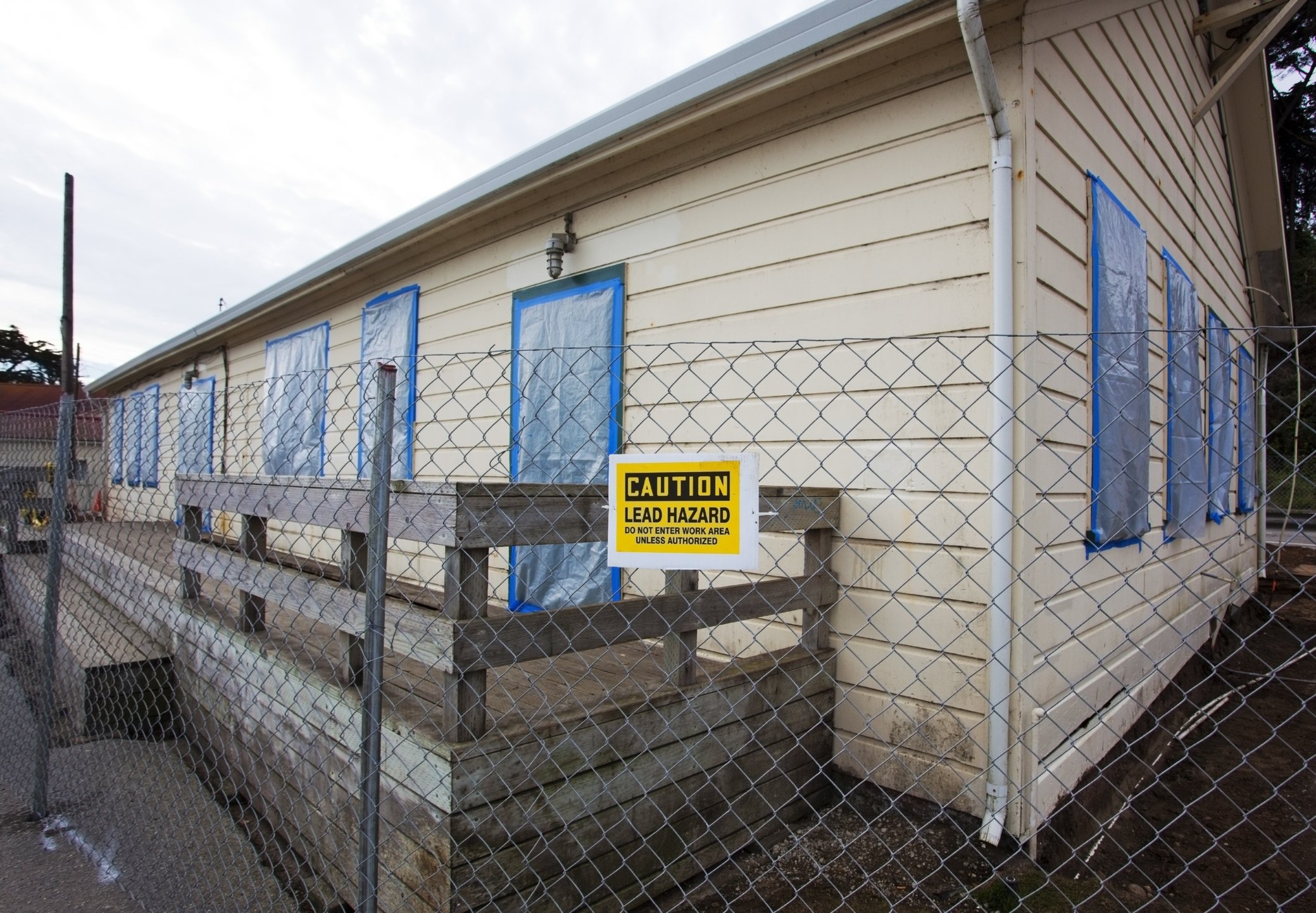
What can be done about indoor pollution?
People have a right to protection from chronic exposure to harmful pollutants and toxic substances within living spaces. Below you can find data sources to help determine your exposure levels.
EPA Resources

Environmental Protection Agency (EPA) – Indoor Air Quality Mitigation Resources
What’s Included:
Mold and moisture prevention and remediation
Radon testing and mitigation
Lead exposure reduction
Ventilation and air filtration
Carbon monoxide and combustion pollutants
Household chemicals and VOCs
Indoor air considerations during weatherization and renovations
Integrated pest management
Secondhand smoke exposure reduction
Healthy building and pollution-prevention practices
Overview: EPA provides guidance, tools, and programs for preventing and reducing exposure to pollutants inside homes and other buildings. These resources help residents, property owners, and communities identify indoor environmental hazards and take practical steps to improve indoor air quality and create healthier housing.
-
Overview: Provides practical actions households and property owners can take to improve indoor environmental conditions. It covers multiple pollutants and housing conditions, making it a strong general starting point for indoor-pollution mitigation.
What’s Included:
Mold and moisture control
Ventilation improvements
Radon and lead
Combustion pollutants
Household chemicals
Smoke and other indoor contaminants
Instructions: Open Tool > identify the indoor environmental concern > select the relevant section > review prevention and mitigation recommendations > follow pollutant-specific resources for more detailed guidance > identify actions appropriate for the household or property.
-
Overview: EPA provides guidance for preventing and correcting mold problems by addressing the moisture conditions that allow mold to grow. This adds an important mitigation component to the mold testing/research already identified for H1.
What’s Included:
Moisture control
Mold cleanup
Water-damaged materials
Humidity management
Prevention of recurring mold
Guidance for renters and property owners
Instructions: Open Tool > identify the mold or moisture problem > review moisture-control recommendations > determine the extent of the affected area > review appropriate cleanup guidance > correct the underlying source of moisture to prevent recurrence.
-
Overview: Provides information for detecting and reducing exposure to radon, an indoor pollutant that cannot be detected by sight or smell. EPA provides both household testing guidance and information on professional mitigation.
What’s Included:
Radon testing
Understanding test results
Radon risk maps and information
Home mitigation
Radon-resistant construction
Finding qualified professionals
Instructions: Open Tool > review radon information > select testing guidance > test the home according to EPA recommendations > interpret the result > if levels are elevated, review mitigation options and resources for locating qualified radon professionals.
-
Overview: Explains how energy-efficiency and weatherization projects can improve housing without worsening indoor pollution. It is especially useful for ensuring that housing rehabilitation addresses ventilation and environmental hazards at the same time.
What’s Included:
Ventilation
Moisture control
Radon
Lead hazards
Pest management
Combustion safety
Low-emission materials
Instructions: Open Tool > identify planned housing or weatherization improvements > review associated indoor-air considerations > identify pollutants that should be addressed before or during work > incorporate recommended ventilation, moisture, pollutant-control, and building practices.
HUD Resources

Department of Housing and Urban Development (HUD) – Healthy Homes & Indoor Pollutant Mitigation Resources
What’s Included:
Lead-based paint hazard reduction
Mold and moisture mitigation
Radon testing and mitigation
Carbon monoxide exposure prevention
Asthma and indoor environmental triggers
Pest and allergen management
Healthy Homes interventions
Housing inspections and hazard assessments
Grants for remediation and housing improvements
Resources for vulnerable and lower-income households
Overview: HUD provides programs, funding, and guidance for reducing health and safety hazards associated with housing conditions, particularly in vulnerable and lower-income communities. These resources support interventions that address lead exposure and other indoor environmental hazards while improving overall housing quality.
-
Overview: HUD's Healthy Homes program addresses housing conditions that can contribute to disease and injury, particularly in lower-income households. Its approach extends beyond lead to multiple indoor environmental hazards.
What’s Included:
Lead hazards
Mold and moisture
Radon
Carbon monoxide
Pest-related hazards
Asthma triggers
Healthy housing interventions
Instructions: Open Tool > review Healthy Homes resources > identify the housing hazard of concern > select the relevant program or guidance > review available interventions and assistance > use linked resources to identify appropriate local mitigation measures.
-
Overview: Provides federal programs and funding designed to identify and remove lead-based paint hazards, particularly in housing occupied by lower-income families and children. This provides an actionable mitigation counterpart to the lead-risk data already included on H1.
What’s Included:
Lead hazard identification
Lead-paint remediation
Housing rehabilitation
Lead Hazard Reduction grants
Assistance for high-risk housing
Healthy Homes interventions
Instructions: Open Tool > review available lead-hazard programs > select the relevant grant or program > review eligible applicants and activities > identify supported remediation measures > use program information to identify potential funding or assistance.
-
Overview: Provides funding opportunities for communities and organizations to address multiple residential health and safety hazards. This is useful for moving from identifying indoor-pollution problems to finding resources capable of funding interventions.
What’s Included:
Healthy Homes interventions
Lead mitigation
Mold and moisture reduction
Radon mitigation
Asthma-trigger reduction
Housing safety improvements
Instructions: Open Tool > review available programs > select the relevant funding opportunity > review eligibility requirements > examine eligible activities > determine whether the community or organization could use the program to support housing-hazard mitigation.
RENTAL HOUSING LAWS
According to the Environmental Law Institute, renters occupy nearly 1/3 of the housing units in the U.S., placing rental housing laws as particularly important in reducing indoor exposure to air pollutants. State policies can advance housing goals by strengthening laws and regulations that establish minimum conditions in rental housing.
The Environmental Law Institute discusses 2 types of policies that address rental environmental conditions:
HOUSING CODES (sanitary & property maintenance codes) establish minimum conditions and maintenance requirements for rental properties, usually enforced by local housing or health agencies. Codes are typically adopted by local governments, but some states have statewide requirements for housing codes.
LANDLORD/TENANT LAWS establish the rights and responsibilities of landlords and tenants, including maintenance responsibility. Unlike housing codes, these laws are typically enforced privately, providing legal recourse for landlords and tenants to address violations, including the failure to remedy substandard housing conditions.
Additional Resources
EPA Toxics Release Inventory (TRI): Compilation of industrial management of toxic chemicals records, reported by certain industrial and federal facilities. Data are available through multiple tools that help make reported data more accessible by adding context.
HUD Office of Lead Hazard Control & Healthy Homes: Multi-scale map showing percentage of housing units built before 1950 that may contain lead.
America’s Health Rankings Housing with Lead Risks: Analysis of census data that shows state-level data for hundreds of health, environmental and socioeconomic measures. Use features on this page to find measures; view subpopulations, trends and rankings; and download and share findings.
Environmental Law Institute State Indoor Air Quality Laws: Database tracking state and local laws regarding indoor air quality. This tool can help identify which laws are in place in your state to protect you.
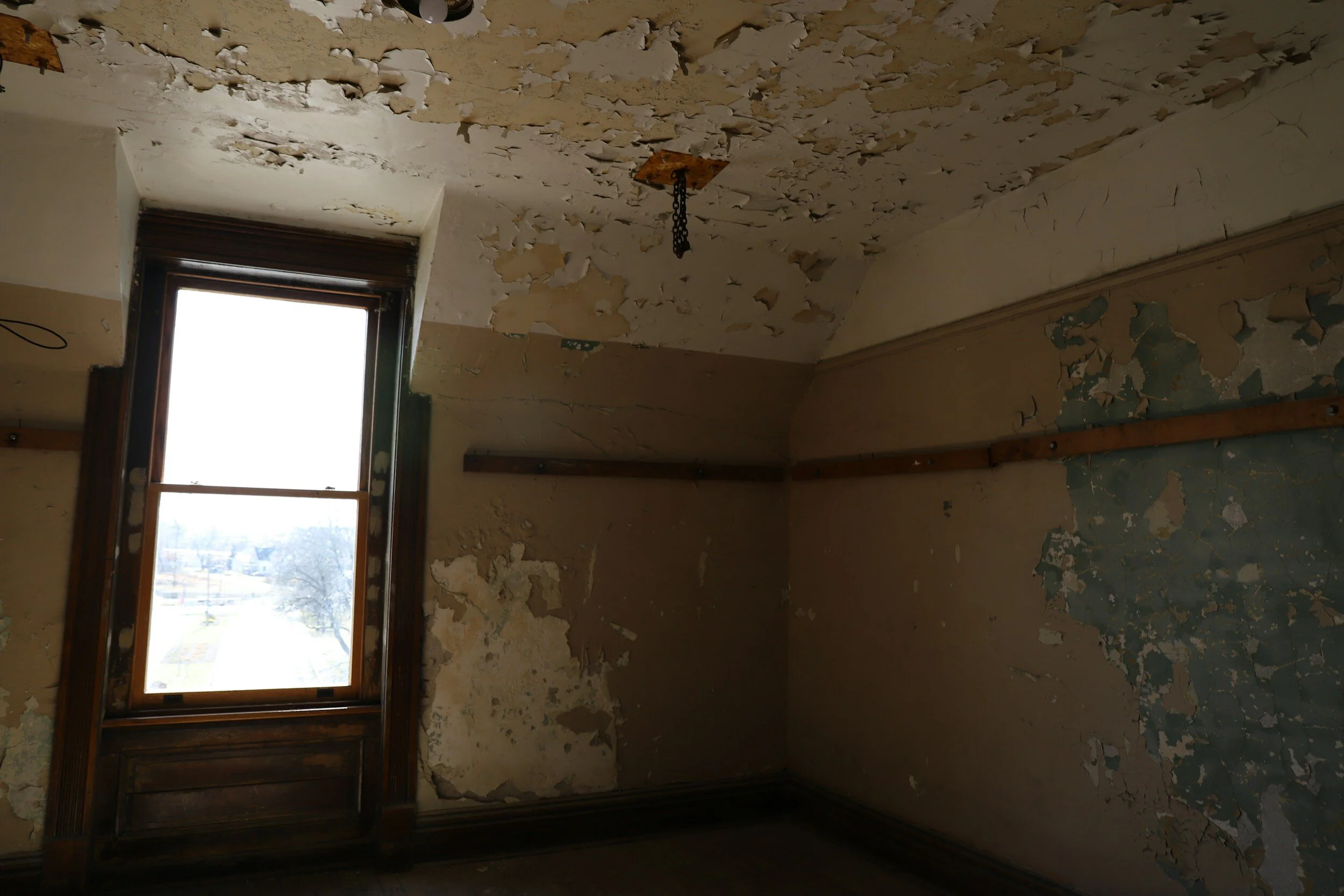
mitigation
The EPA Environmental Violation Reporting System allows citizens to submit information about possible violations of environmental laws and regulations in order to alert the appropriate regulatory authority or enforcement personnel.
The Department of Housing & Urban Development Lead Abatement Program provides funds to state and local governments for affordable reduction of lead-based hazards.