exposure TO indoor pollution
People have a right to protection from chronic exposure to harmful pollutants and toxic substances within living spaces. Below you can find data sources to help determine your level of exposure.
According to the EPA, Americans spend approximately 90% of their time indoors. Understanding and assessing community exposure to indoor pollutants can help reduce the risk of negative health effects, whether experienced immediately or years later. Collective advocacy for remediation of sources of exposure, or issues leading to increased exposure, can positively impact public health in an area.
The Toxic Substances Control Act (TSCA) empowers the EPA to regulate toxic pollutants of public health importance. This includes standards for record-keeping, reporting, testing, and the restrictions necessary for the use chemical substances and/or mixtures.
See EPA—Toxic Substances Control Act.
Indoor Air Quality (IAQ) refers to the air quality within and around buildings.
-
-Metal used as a wood preservative since the 1940s.
-No longer made in the U.S., but is still imported.
-Known carcinogen, long-term exposure to high levels is associated with skin disorders, diabetes, and high blood pressure.
-Exposure most often occurs through water.
-Must be professionally removed.
-
-Mineral fiber that occurs in rocks and soil.
-Mining of asbestos banned in 2002
-Known carcinogen. Asbestos can incubate in the body for decades before showing adverse health effects.
-Must be professionally removed
-OSHA sets standards for occupational exposure.
-
Molds are part of the natural environment. Outdoors, molds play a part in nature by breaking down dead organic matters, but indoors, mold growth should be avoided.
-Reproduce by spores, which are invisible to the naked eye and float through the air.
-There are many types of mold, and none of them will grow without water or moisture.
-Mold produces allergens, irritants, and toxic substances (mycotoxins). Exposure through inhalation or skin contact leads to serious health problems, including chronic asthma.
-Mold exposure is most common in humid spaces with low ventilation and chronic leaking or flooding.
-
A colorless, odorless gas released when fuel is burned. CO displaces oxygen in the body, causing headaches, dizziness, weakness, nausea, chest pain, confusion, and sudden death.
-Living spaces should have at least one CO detector on each floor and outside of every sleeping area.
-Increased risk of CO poisoning occurs with gas-powered water heaters, unvented space heaters, and stoves.
-
-Naturally occurring heavy metal found in soil and historically used in manufacturing.
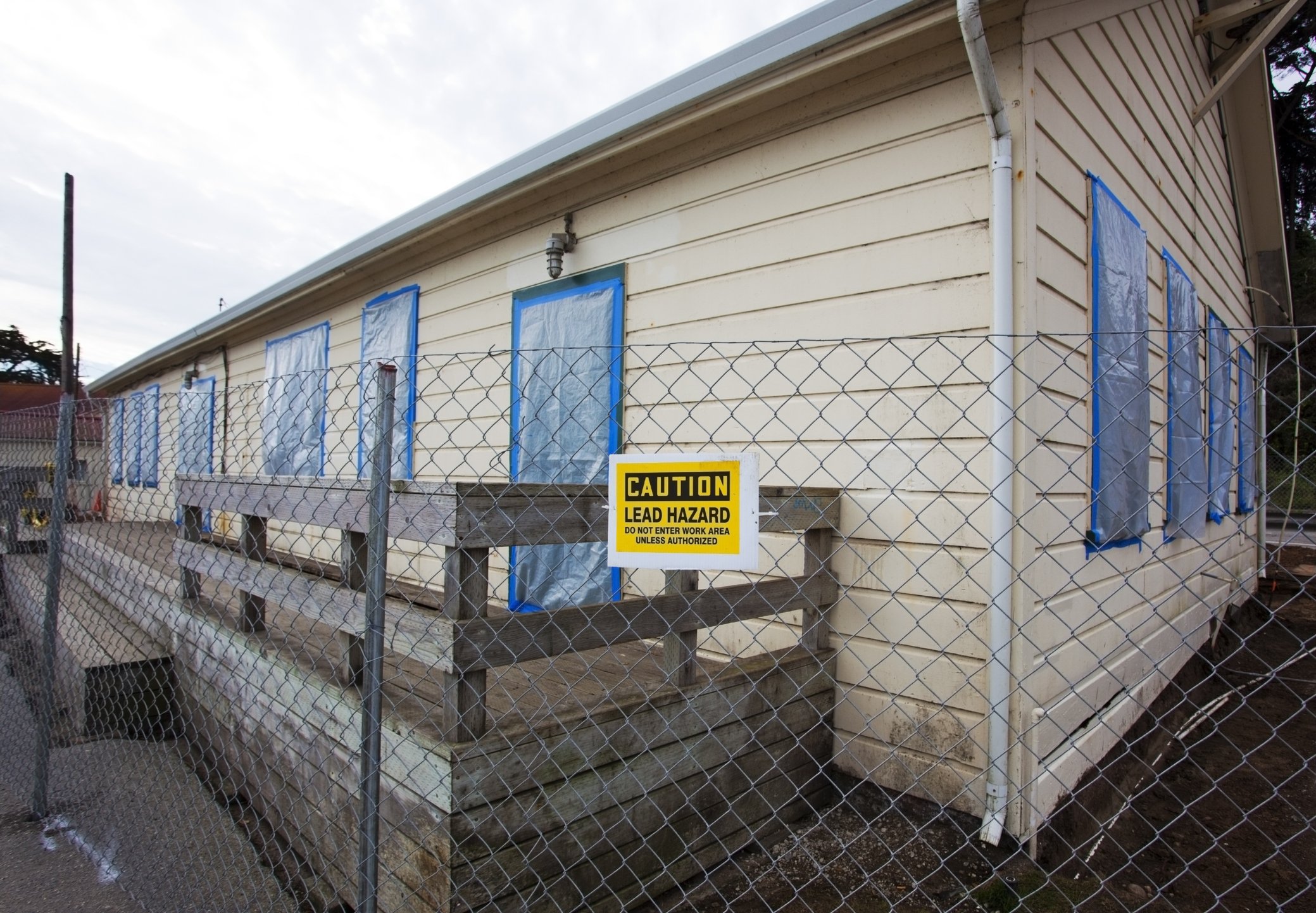
-Use of lead paint in homes banned in 1978. Homes built before before 1978 (~16.5% of housing in the US) carry elevated risk of exposure.
-Any level of lead in the blood is dangerous. Exposure occurs through inhalation, ingestion, or skin contact.
-Lead is absorbed by the bloodstream and blood level tests are commonly used to detect exposure.
-Children have increased risk when exposed to lead.
-Must be professionally removed.
See EPA—Lead.
-
A naturally occurring radioactive gas found in rocks and soil, containing high levels of cancer-causing radiation. Homes can be built on or in close proximity to radon.
-Cannot see or smell radon.
-Average indoor radon level is about 1.3 picocuries per liter in air in the U.S.
-Radon can be detected by professionals or home test kits.
-
Smoke from tobacco, marijuana, and electronic cigarettes releases chemicals into the air.
-Exposure can lead to negative health effects, including asthma, ear infections, respiratory illness, and cancer.
-Negative health effects are most prevalent in children when smoking occurs inside and less than 25 feet away from building entrances or windows.

DATA SOURCES
LEAD
HUD Office of Lead Hazard Control & Healthy Homes: Multi-scale map showing percentage of housing units built before 1950 that may contain lead.
America’s Health Rankings—Housing with Lead Risks: Provide state-level census data for hundreds of health, environmental and socioeconomic measures, viewable by populations, trends and rankings.
PolicyMap Instructions: Open Tool > Click the orange X at the top right of the login window > Click Housing in the top toolbar > Click Residential Buildings & Quality in the left window > Click Housing Quality > Click Lead Exposure Risk.
RADON
CDC Radon Testing & Tracking Network provides county-level radon levels based on radon testing.
CDC Radon Network Instructions: Open Tool > Click Select Indicator > Choose Radon Tests from Labs > Click Select Measure > Click Median Pre-Mitigation Radon Level in Tested Buildings Over a 10-year Period > Click Geographic Type > Choose State by County > Choose your state > Choose the most recent 10-year period > Click Go > On the map, orange and red areas have higher reported levels of radon.
ARSENIC
CDC NHANES: the CDC National Center for Health Statistics National Health & Nutrition Examination Survey provides data on levels of arsenic in biological samples, such as urine, to assess exposure in populations and among demographics
EPA ORD—Arsenic in Drinking Water: EPA Office of Research & Development compilation of data on levels of arsenic in drinking water and cancer occurrence in populations among demographics.
ASBESTOS
CDC National Institute for Occupational Safety & Health (NIOSH): searchable database for assessing exposure levels and outcomes in occupational settings
EPA—Superfund Site Database: provides database of sites contaminated with hazardous substances, including asbestos, allowing for identification of nearby sites that may increase likelihood of exposure.
CARBON MONOXIDE (CO)
National Poison Data System (NPDS) Report: includes data on CO exposure and death through an annual report from America’s Poison Centers
MOLD
CDC NHANES: provides information on housing conditions, indoor air quality, and respiratory health, which can indirectly reflect mold exposure in populations
SECONDHAND SMOKE (SHS)
CDC NHANES: measures cotinine, a biomarker of exposure to tobacco smoke, in the blood and urine, NHANES provides estimates of SHS exposure among demographic groups
Additional Resources
EPA Toxics Release Inventory (TRI): Compilation of industrial management of toxic chemicals records, reported by industrial and federal facilities. Data are available through tools that help make reported data more accessible by adding context.
Environmental Law Institute State IAQ Laws: Database of state/local laws regarding indoor air quality. This tool can help identify which laws are in place in your state to protect you.