
Gentrification Mitigation & Community Support Resources
Gentrification and displacement can increase housing insecurity, raise rental costs, reduce access to affordable housing, and place pressure on long-term residents and historically marginalized communities. This page focuses on resources that help individuals and communities respond to displacement pressures through legal support, affordable housing programs, tenant protections, financial assistance, housing stabilization initiatives, and community preservation efforts.
The resources below are designed to help users locate practical support systems, connect with housing organizations, understand tenant rights, identify affordable housing opportunities, and access programs aimed at reducing displacement and improving long-term community stability.
National ReSources
FAIR HOUSING RESOURCES
What this resource includes:
• Fair housing education resources
• Housing discrimination information
• Fair housing complaint assistance
• Civil rights advocacy resources
• Housing equity research and reports
• Community outreach and education programs
• Information regarding protected classes under fair housing laws
• Referrals to local fair housing organizations
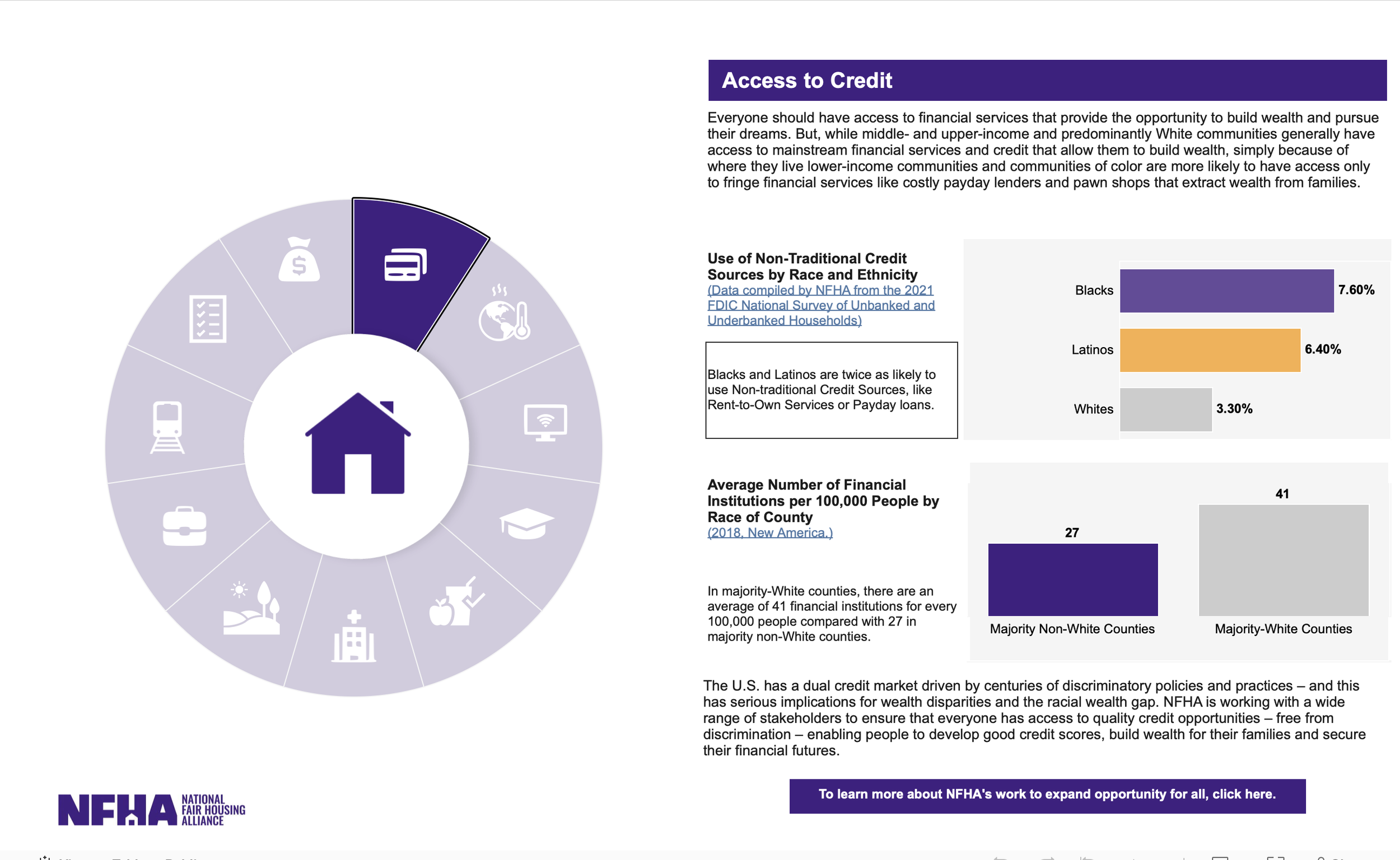
Fair housing organizations help individuals understand their housing rights and address discrimination related to renting, buying, financing, or accessing housing. These organizations provide educational resources, complaint assistance, investigations, and advocacy aimed at promoting equitable access to housing opportunities.
Instructions: Open the National Fair Housing Alliance website→ navigate to the “Resources,” “Education,” or “Fair Housing” (in resources section) sections → review educational materials related to housing discrimination and fair housing protections → explore research reports and housing equity publications → identify fair housing organizations serving your state or region → review complaint guidance and reporting procedures → contact local fair housing organizations for assistance regarding housing discrimination concerns.
NATIONAL COMMUNITY SUPPORT & ANTI-DISPLACEMENT RESOURCES
The National Low Income Housing Coalition provides housing advocacy resources, affordable housing research, rental assistance information, and policy tools focused on reducing housing insecurity and displacement.
What this resource includes:
• Rental assistance information
• Affordable housing advocacy tools
• National housing affordability reports
• Emergency housing resources
• Tenant support materials
• State-by-state housing information
Instructions: Open the National Low Income Housing Coalition website → navigate to “Housing Needs By State,” or “Research” sections → select a state, housing topic, or affordability report → review rental cost burden statistics, affordable housing shortages, and tenant support materials → explore emergency rental assistance programs and housing policy resources → use downloadable reports to compare housing affordability conditions across regions → review advocacy toolkits and educational materials related to displacement prevention and affordable housing preservation.
Legal Services Corporation (LSC)
What this resource includes:
• Legal aid office locator
• Tenant rights assistance
• Eviction defense support
• Housing discrimination resources
• Civil legal assistance programs
• Housing-related legal education
• State legal aid directories
• Referral services for housing support
Legal Services Corporation connects low-income residents with free legal aid organizations that assist with eviction defense, tenant rights, housing discrimination, and housing-related legal challenges. The organization helps improve access to civil legal support for residents experiencing housing instability, displacement pressures, or landlord disputes.
Instructions: Open the Legal Services Corporation website → select the “Find Legal Help” tool → enter a ZIP code, city, or state → review nearby legal aid providers and housing assistance organizations → identify offices offering eviction defense, tenant rights counseling, or housing discrimination support → visit organization pages to review eligibility requirements and service areas → contact legal aid offices directly by phone or online intake form → ask about housing-related legal support, rental disputes, unsafe housing conditions, or displacement concerns.
Enterprise Community Partners
What this resource includes:
• Affordable housing preservation initiatives
• Community development programs
• Housing stability strategies
• Equitable development resources
• Anti-displacement policy guidance
• Housing investment programs
• Community planning reports
• Affordable housing research and case studies
Enterprise Community Partners supports affordable housing preservation, equitable community development, and housing stability initiatives throughout the United States. The organization works with nonprofits, local governments, and housing organizations to reduce displacement pressures and expand access to affordable housing opportunities.
Instructions: Open the Enterprise Community Partners website → navigate to affordable housing, equitable development, or community preservation sections → review resources focused on housing affordability and anti-displacement strategies → explore reports and case studies discussing housing stabilization and neighborhood preservation → identify regional programs and community investment initiatives → review policy recommendations and housing development strategies → use reports and planning materials to understand how cities and organizations respond to displacement pressures and housing instability.
Grounded Solutions Network
What this resource includes:
• Community land trust resources
• Shared-equity housing programs
• Affordable homeownership models
• Housing preservation strategies
• Anti-displacement planning tools
• Long-term affordability initiatives
• Community stabilization resources
• Directories of local land trust organizations
Grounded Solutions Network supports community land trusts and shared-equity housing programs designed to preserve long-term housing affordability and reduce displacement. The organization promotes housing models that help communities maintain affordable homeownership opportunities despite rising housing costs and redevelopment pressures.
Instructions: Open the Grounded Solutions Network website → scroll to the bottom under “Our Work”, specifically “Strengthening Relationships” to the “Community Land Trust” and “Shared-Equity Housing Sections” → explore educational materials explaining how community land trusts preserve long-term affordability → review directories and examples of local land trust organizations → identify affordable homeownership opportunities and community preservation programs → review shared-equity housing models and anti-displacement strategies → compare how different cities use community land trusts to stabilize neighborhoods and reduce housing displacement.
HUD-APPROVED HOUSING COUNSELING AGENCIES
What this resource includes:
• Foreclosure prevention counseling
• Rental housing counseling
• Homebuyer education programs
• Financial literacy and budgeting assistance
• Housing affordability planning
• Fair housing information
• Reverse mortgage counseling
• Referrals to local housing assistance programs
HUD-approved Housing Counseling Agencies provide free or low-cost housing counseling services to renters, homeowners, and prospective homebuyers. These agencies help individuals navigate housing challenges, improve housing stability, avoid foreclosure, understand rental options, and access housing assistance programs.
Instructions: Open the HUD Housing Counseling website → select “Find a Housing Counselor” → enter a city, state, ZIP code, or county → review nearby HUD-approved counseling agencies → identify organizations offering rental counseling, foreclosure prevention assistance, or homeownership education → review agency services and contact information → contact agencies directly to schedule counseling appointments or request housing assistance information.

EPA REGION 4 COMMUNITY STABILIZATION RESOURCES
EPA Region 4 includes Alabama, Florida, Georgia, Kentucky, Mississippi, North Carolina, South Carolina, and Tennessee. Many communities across the region are experiencing rapid population growth, redevelopment, rising housing costs, and increasing displacement pressures, particularly in urban centers, tourism-based economies, and coastal areas.
As investment and redevelopment increase throughout Region 4, many historically affordable neighborhoods are facing growing risks of gentrification, housing instability, and displacement. Coastal flooding, climate migration, infrastructure expansion, and transit-oriented development are also contributing to housing affordability challenges across the Southeast.
Community land trusts, affordable housing nonprofits, legal aid organizations, and community stabilization initiatives play a critical role in helping preserve long-term affordability and reducing displacement pressures. These organizations support affordable homeownership, tenant protections, equitable development, neighborhood preservation, and housing stabilization efforts throughout EPA Region 4 communities.
Community Land Trust Organizations
Community land trusts help preserve long-term housing affordability by separating ownership of land from ownership of homes. These organizations are designed to reduce displacement pressures, stabilize neighborhoods, expand affordable homeownership opportunities, and protect communities experiencing rapid redevelopment and rising housing costs.
Community land trusts and shared-equity housing programs throughout EPA Region 4 help residents access permanently affordable housing while supporting long-term neighborhood preservation and community stability.
What this resource includes:
• Affordable homeownership opportunities
• Shared-equity housing programs
• Neighborhood stabilization initiatives
• Long-term housing affordability protections
• Community preservation strategies
• Anti-displacement initiatives
• Educational resources about community land trusts
• Housing counseling and community support information
Instructions:
Open the websites below → review affordable housing and shared-equity homeownership programs → explore educational materials explaining how community land trusts work → review eligibility requirements and housing opportunities → identify neighborhood preservation and community stabilization initiatives → contact organizations directly for information regarding housing programs, waitlists, or community engagement opportunities.
Community Land Trust Resources
• Grounded Solutions Network
• Atlanta Land Trust
• Nashville Community Land Trust
• Durham Community Land Trustees
• Florida Community Land Trust Institute
Habitat for Humanity
Habitat for Humanity supports affordable homeownership, home repair assistance, neighborhood revitalization, and housing stability initiatives throughout communities across EPA Region 4. These programs help improve access to safe and affordable housing for residents experiencing housing insecurity or financial hardship.
What this resource includes:
• Affordable homeownership programs
• Home repair assistance
• Neighborhood revitalization initiatives
• Housing counseling resources
• Financial education programs
• Volunteer and community support opportunities
• Housing stability assistance
• Community development programs
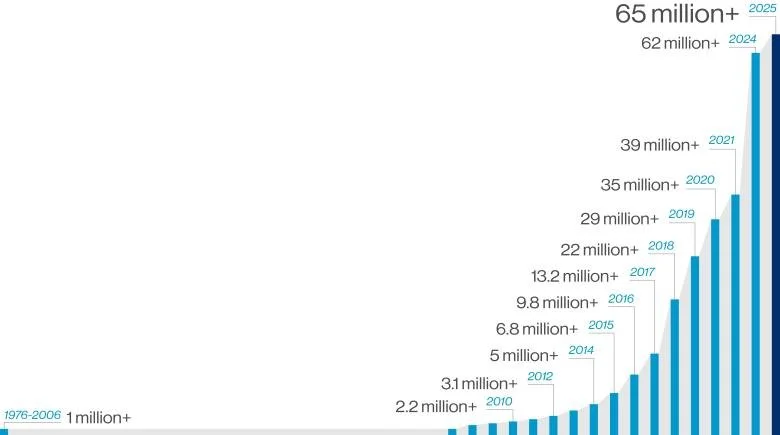
Instructions: Open Habitat for Humanity website → use the affiliate locator to search by city, state, or ZIP code → review affordable homeownership and repair programs available within your area → explore eligibility requirements and application processes → identify neighborhood revitalization initiatives and housing support resources → contact local affiliates directly for additional assistance and housing program information..
COMMUNITY DEVELOPMENT FINANCIAL INSTITUTIONS (CDFIs)
What this resource includes:
• Community Development Financial Institution directory
• Affordable housing financing programs
• Community investment resources
• Neighborhood revitalization funding
• Community facility financing
• Small business lending programs
• Economic development initiatives
• Community lending and investment opportunities
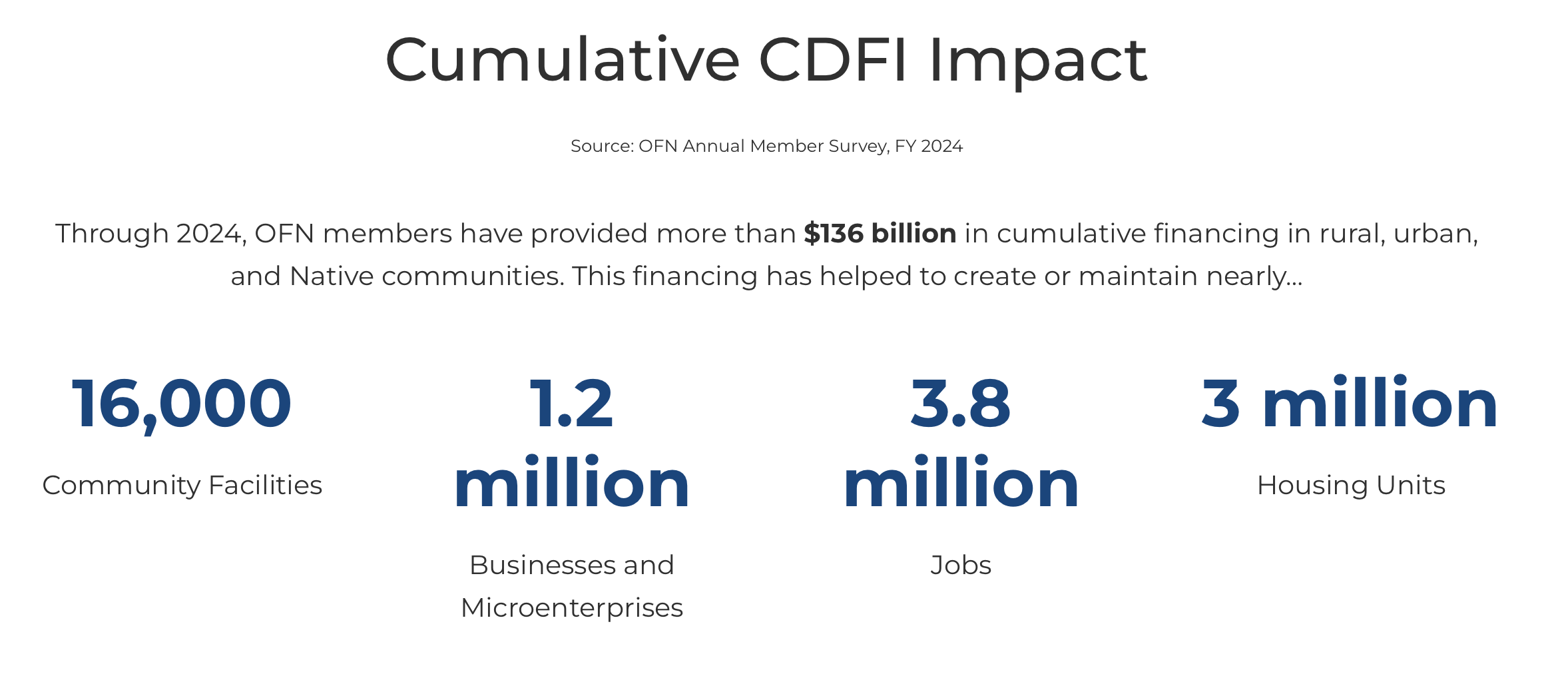
Community Development Financial Institutions (CDFIs) are mission-driven lenders that provide financing and investment in underserved communities. CDFIs support affordable housing development, neighborhood revitalization, community facilities, small businesses, and economic development projects that strengthen community stability.
Instructions: Open the Opportunity Finance Network CDFI Locator → search by state, city, or ZIP code → identify CDFIs operating within your community or region → review available financing programs and investment initiatives → explore affordable housing, community development, and economic development projects supported by CDFIs → review organizational profiles and service areas → contact CDFIs directly for information regarding funding opportunities, partnerships, and community investment programs.