
Cultural & Historical Roots to Place
People have a right to preserve and access the cultural, historical, and traditional roots that connect communities to place. These roots can include neighborhood history, local archives, historic sites, family histories, Indigenous land connections, traditional practices, cultural memory, and ways of life tied to land, water, and community spaces. This page helps users identify where cultural heritage may be vulnerable to loss and where residents can find resources to document, protect, and preserve local history.
National and Global Data Sources
UNESCO — Culture 2030 Indicators
What this source shows:
Cultural participation.
Cultural heritage protection.
Culture’s role in community development.
Connections between culture, equity, and sustainability.
Frameworks for measuring cultural vitality.
What’s in this source/tool:
Culture and development indicators.
Guidance for local and national assessment.
Cultural heritage categories.
Sustainability-related cultural measures.
Policy and planning resources.
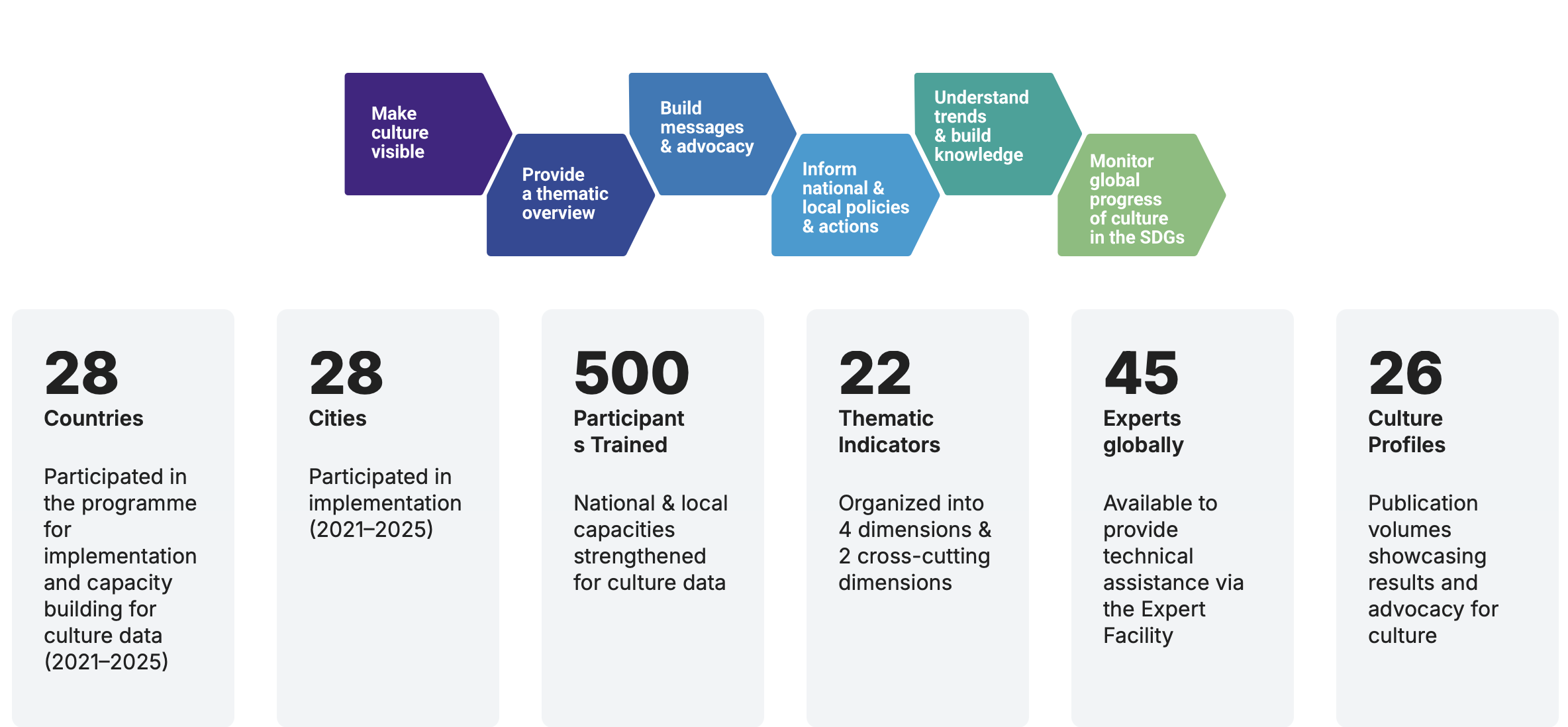
The UNESCO Culture 2030 Indicators provide a framework for measuring the role of culture in sustainable development. This source is useful because it helps communities think about how culture, heritage, creativity, participation, and cultural rights connect to local well-being..
Instructions: Open the source> review an overview of the Culture 2030 Indicators framework within the first few pages the full text > identify indicators related to Environment and Resilience, Prosperity and Livelihoods, Knowledge and Skills, and Inclusion and Participation > use the framework to discuss whether communities have systems in place to protect cultural identity and historical roots.
Carbon Brief — Measuring Culture and Heritage Loss
What this source shows:
How climate change can threaten cultural heritage.
How cultural loss may be measured.
How displacement can affect identity and traditions.
Examples of heritage loss connected to environmental change.
Challenges in assigning data to cultural and historical harm.
What’s in this source:
Explanations of cultural loss and damage.
Examples of cultural heritage risk.
Discussion of non-economic losses.
Climate and heritage policy context.
Research links and case examples.
Carbon Brief explains how culture and heritage loss can be measured and addressed in the context of climate change, disaster risk, displacement, and loss and damage. This source is useful because cultural loss is often difficult to quantify, but it can still be documented through historic sites, traditional knowledge, community practices, and place-based identity.
Instructions: Open article> review sections on cultural heritage, non-economic loss, and climate-related displacement > identify examples of how communities lose cultural practices, historic places, or traditional knowledge > use this source to explain why cultural and historical roots are difficult but important to measure.
Native Land — Historic Loss Assessment
What this source shows:
Historic land dispossession.
Loss of Native lands and resources.
Settler incursions into unceded lands.
Connections between land loss and cultural loss.
Quantifiable measures of historical harm.
What’s in this source/tool:
Acres of land dispossessed.
Value of dispossessed land.
Loss of life.
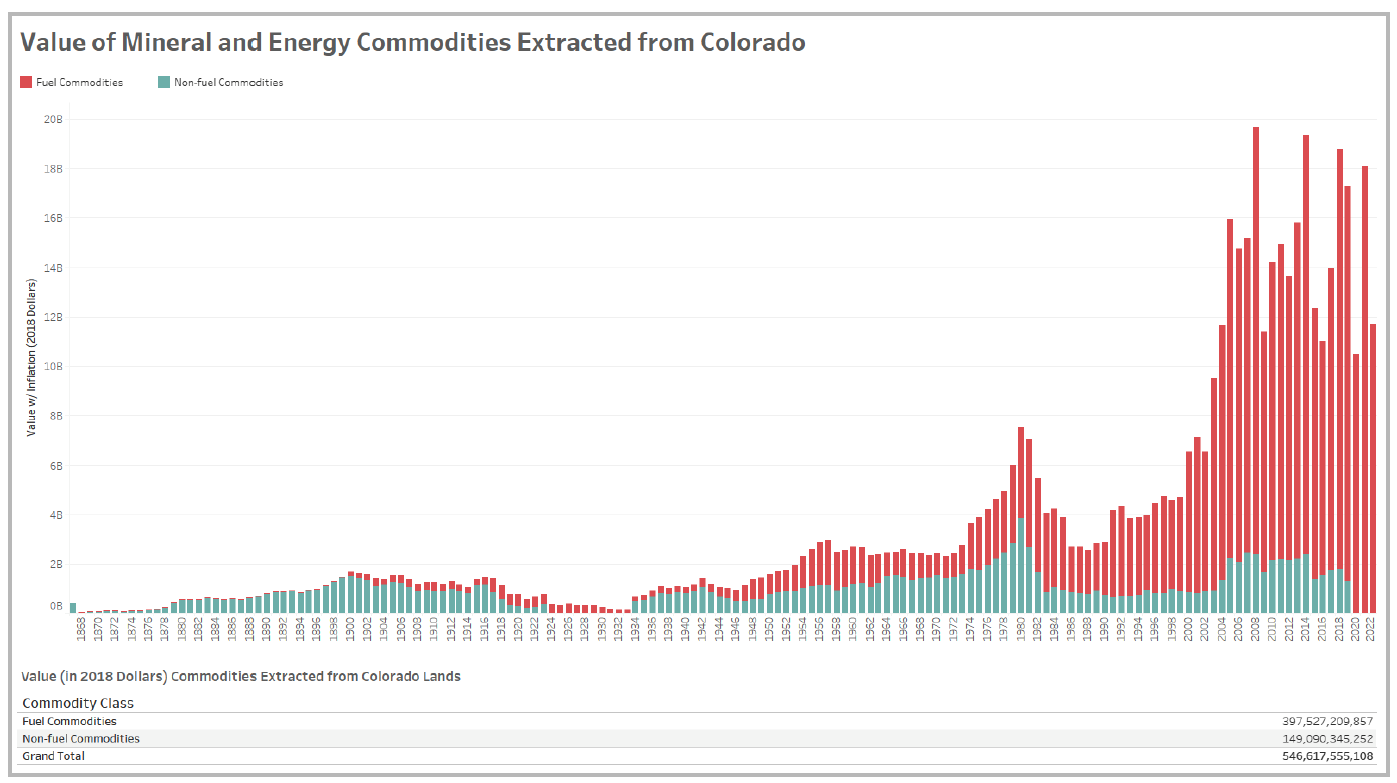
Mineral extraction values.
Agricultural revenue loss.
Habitat fragmentation.
State-level historic loss assessments.
The Historic Loss Assessment helps document the scale of land, life, resource, and cultural loss experienced by Native Nations. This source is useful because it provides a framework for understanding how historical loss can be measured through land dispossession, resource extraction, habitat fragmentation, and loss of traditional territory.
Instructions: Open source> select the available Historic Loss Assessment resources > review the state or tribal assessment information > examine measures such as land dispossession, resource loss, and habitat fragmentation > use the framework to discuss how loss of land can also mean loss of culture, tradition, and ways of life.
Cultural Loss, Protection, and Preservation Resources
The Museums Lab — Cultural Losses and Trauma
What this source shows:
Cultural loss as community trauma.
Connections between memory, identity, and heritage.
The role of museums and archives in preservation.
How cultural harm affects communities across generations.
What’s in this source:
Discussion of cultural loss.
Examples of trauma connected to heritage loss.
Museum and preservation perspectives.
Narrative explanations of cultural harm.
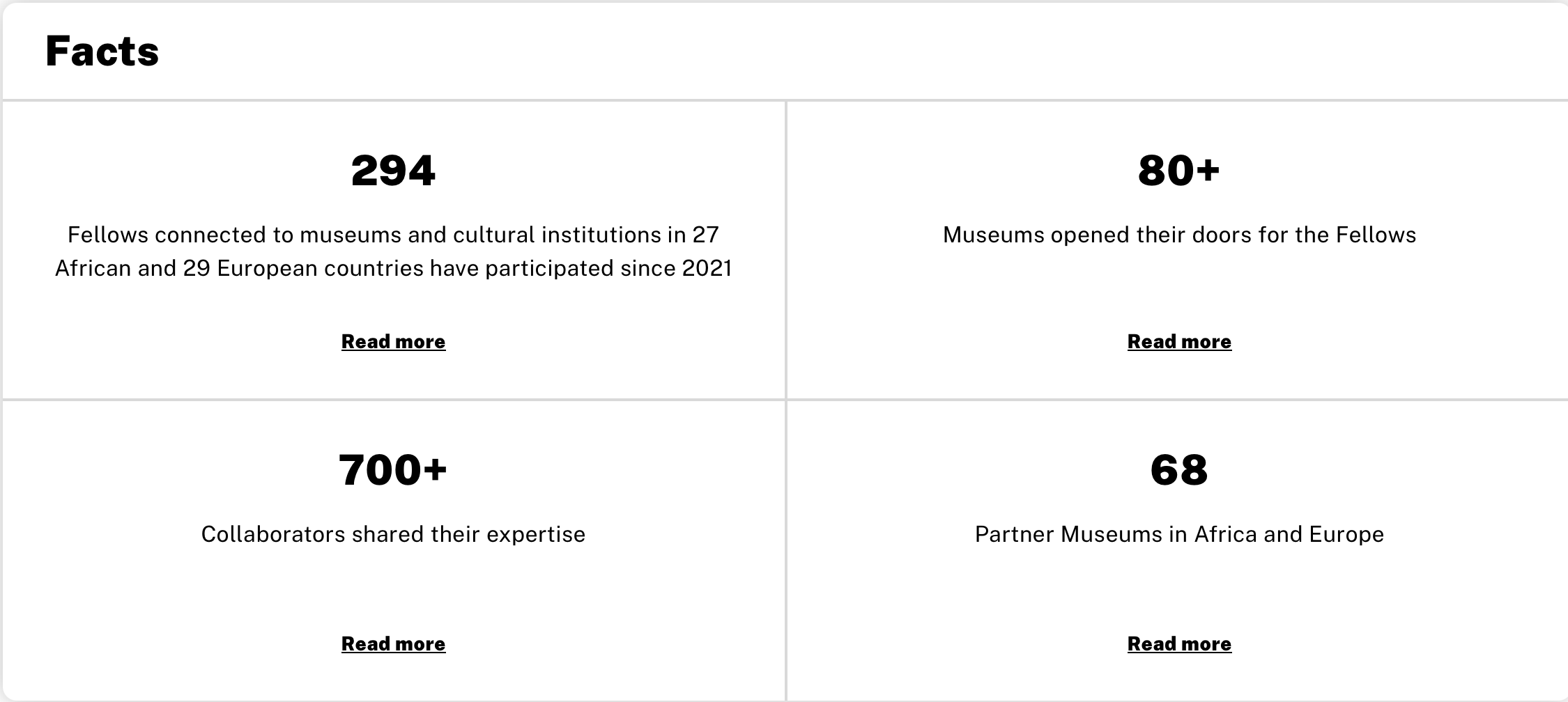
This source discusses the emotional, social, and historical harm caused by cultural loss. It is useful for explaining why the loss of heritage, memory, art, archives, or cultural property can affect community identity and belonging.
Instructions: Open source > review the discussion of cultural loss and trauma > identify language explaining why culture and memory matter > use this source to provide context for why cultural heritage loss is a serious community harm.
Getty — Protecting Cultural Heritage
What this source shows:
Why cultural heritage needs legal and public protection.
How cultural property can be damaged or erased.
Connections between heritage protection and community identity.
Risks to cultural heritage during conflict or displacement.
What’s in this source:
Cultural heritage protection discussion.
Legal and ethical context.
Examples of cultural property loss.
Preservation arguments and frameworks.
This Getty resource explains the importance of protecting cultural heritage, especially during periods of violence, displacement, or social disruption. It is useful for connecting cultural protection to human rights, public memory, and community survival.
Instructions: Open source > review sections on protecting cultural heritage > identify examples of why heritage matters to communities > use the source to explain how cultural sites, records, and traditions may need protection from destruction, neglect, or displacement.
UNESCO — Protecting and Preserving Cultural Diversity in the Digital Era
What this source shows:
Digital preservation of cultural diversity.
Technology’s role in protecting culture.
Risks and opportunities in the digital era.
Ways communities can document cultural identity.
What’s in this source:
Cultural diversity discussion.
Digital preservation examples.
Policy and technology context.
Global cultural protection strategies.
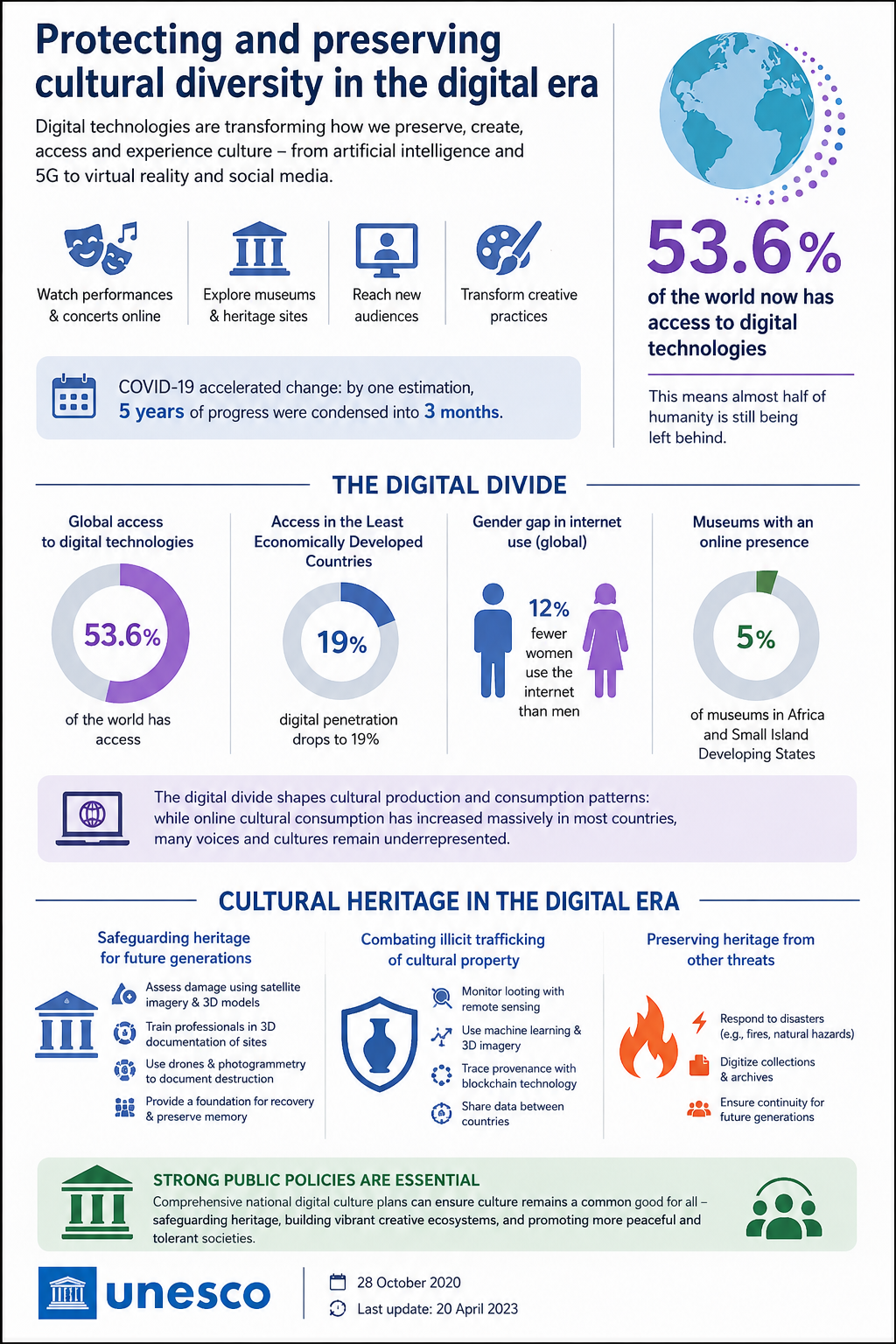
This UNESCO source explains how digital tools can help protect cultural diversity. It is useful because communities can use digital archives, storytelling, mapping, and documentation to preserve cultural identity and traditional knowledge.
Instructions: Open article > review the discussion of cultural diversity and digital preservation within the article > identify examples of how technology can support cultural protection > use this source to explain how communities can document and preserve traditions, stories, and local memory.
Hyperallergic — How to Protect Your Right to Culture
What this source shows:
Culture as a right.
Threats to cultural participation.
Why access to cultural life matters.
Connections between culture, justice, and public life.
What’s in this source:
Discussion of cultural rights.
Examples of threats to culture.
Public-facing explanation of cultural access.
Cultural justice framing.
This source discusses culture as a right and explains why access to cultural life matters. It is useful for framing cultural preservation not only as history, but also as an issue of justice, participation, and community rights.
Instructions: Open article> review the explanation of the right to culture > identify language connecting cultural access to justice and community life > use this source to frame cultural and historical roots as part of environmental justice and community well-being.
SUR Journal — Right to Cultural Identity
What this source shows:
Cultural identity as a right.
Connections between culture, land, and community survival.
Indigenous and minority cultural protections.
Why cultural loss can be a human rights issue.
What’s in this source:
Human rights discussion.
Cultural identity framework.
Indigenous peoples and minority rights context.
Legal and social analysis.
This source discusses the right to cultural identity, especially for Indigenous peoples and national minorities. It is useful for explaining how culture, identity, land, and self-determination are connected.
Instructions: Open article> review the discussion of cultural identity > identify connections between land, tradition, and cultural rights > use the source to explain why protecting cultural roots to place matters for vulnerable communities.
Outreach and Community Engagement Resources
Historical Loss Scale
What this source shows:
Historical loss as an intergenerational experience.
Connections between cultural loss and community well-being.
Ways researchers have measured historical loss.
How memory of loss can affect identity and health.
What’s in this source:
Historical loss scale.
Research background.
Discussion of cultural and historical trauma.
Measurement examples.
Health and community context.
The Historical Loss Scale is a research tool used to understand how communities experience and remember historical losses. This source is useful because it shows that loss of land, language, culture, people, and traditions can have lasting effects across generations.
Instructions: Open article > review the description of the Historical Loss Scale > identify categories of loss such as land, language, culture, and traditions > use this source to explain how cultural and historical roots to place can be measured through community experience and memory.
ACL — Inclusive Transit Planning for Diverse Cultural Populations
What this source shows:
How to engage diverse cultural communities.
How language, culture, age, and disability affect participation.
Why outreach must be inclusive and accessible.
How planning decisions can better reflect community identity.
What’s in this source:
Outreach strategies.
Engagement recommendations.
Culturally responsive planning guidance.
Inclusive communication practices.
This guide provides outreach and engagement strategies for diverse cultural populations. Although it focuses on transit planning, it can be applied more broadly to cultural preservation because it shows how public agencies should engage communities with different languages, histories, traditions, and access needs.