What can be done in my community to mitigate unequal access to green spaces and recreation?
Advocating for public parks & green spaces
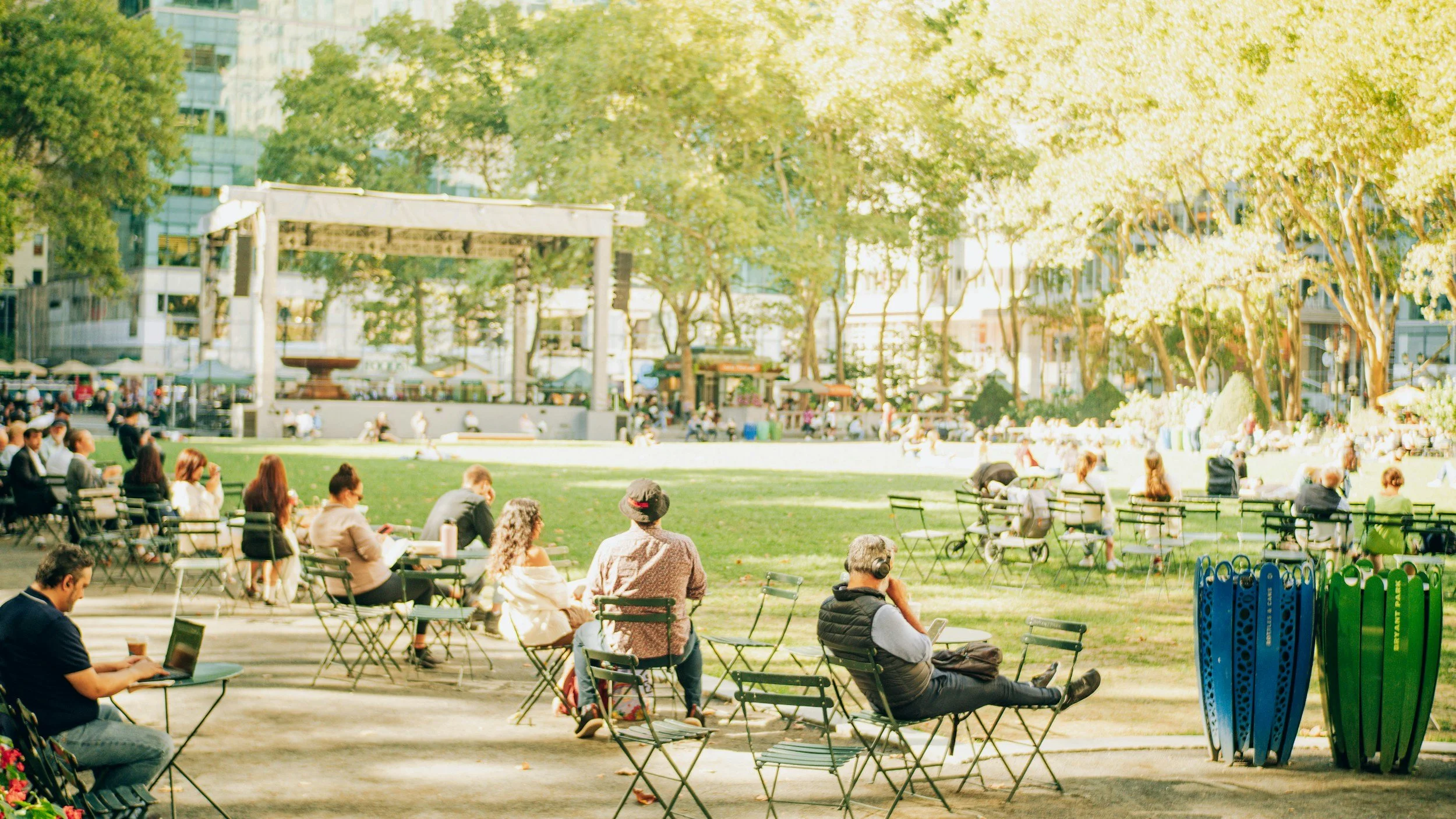
It is important to advocate for your local parks because they offer a variety of benefits for all people. Public parks and green spaces offer physical opportunities, improve mental health & wellness, and can serve as places for community gatherings. Parks also create many environmental benefits - such as cleaner air and water, support for local biodiversity, mitigation for urban heat islands, and boosted local economy.
How you can advocate for public parks
*Become a public park advocate
(1) communicate with your government
(2) fundraising ideas
(3) choose better lighting
(4) safer landscaping
(5) report unsafe behavior
*Volunteer for cleanup events, tree planting, or other local activities
*Advocate for eco-friendly practices for taking care of local parks
*Start and sign petitions, attend public meetings, talk to local officials
*Host outdoor networking events - raise awareness about issues and highlight the importance of these spaces to communities, or even connect with collaborators
Ensuring equal access
Ensuring equal access to local green spaces & spaces for recreation is necessary for the wellness of both people and the environment. Read this relevant report to learn more about pursuing more equitable access to green spaces in your community.
-
Lower stress levels
Improved mood
Enhanced creativity
-
Increased physical activity
Encouragement of outdoor activities
Healthier lifestyle choices
-
Stronger community bonds
Increase social interaction
Enhanced community pride
-
Improved ecosystem balance
Support for native species
Increased urban greenery
Start a Green Initiative
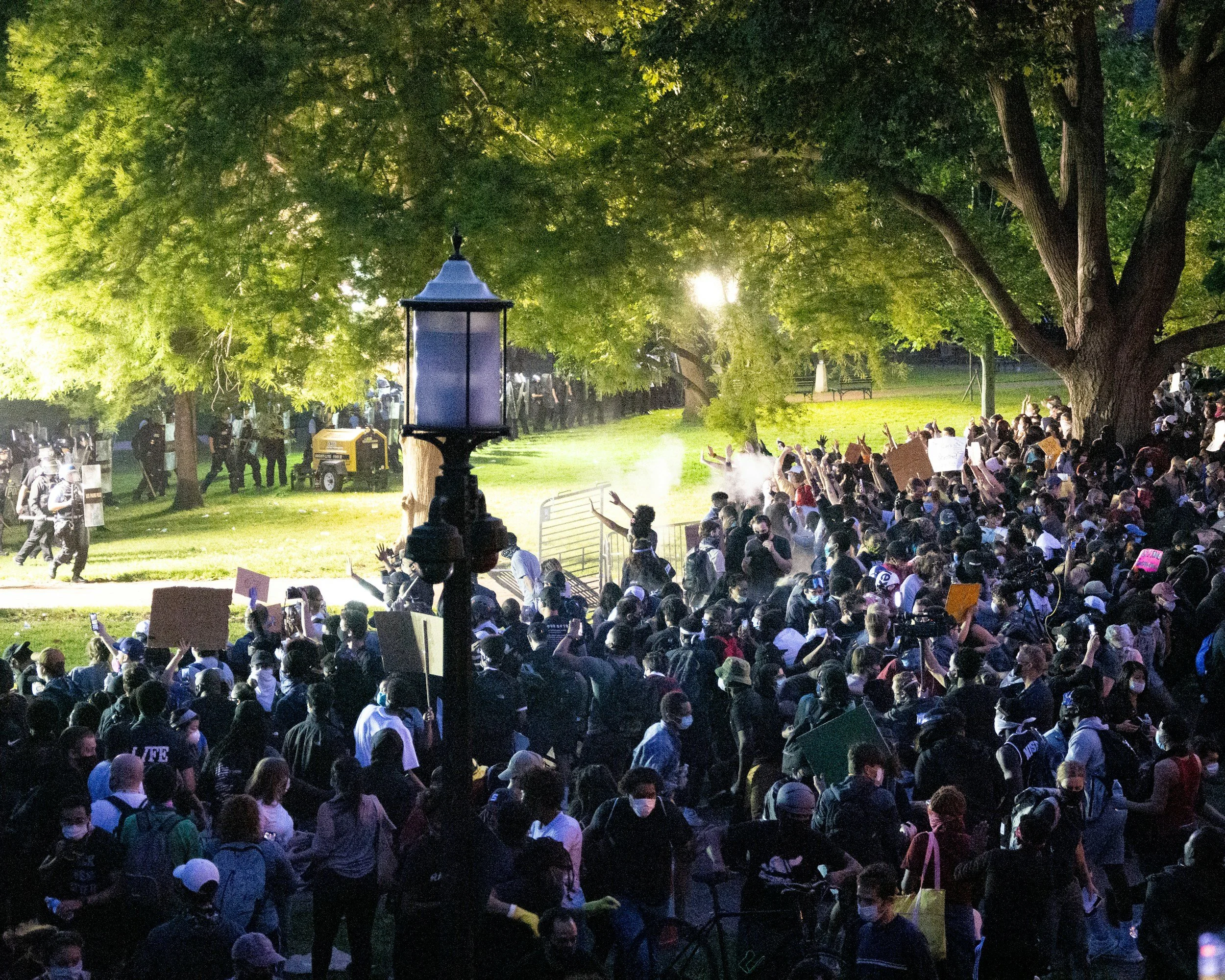
Green Initiatives can help create sustainable neighborhoods through practices like:
*Organizing community cleanups
*Planning tree planting days
*Starting a neighborhood garden
*Advocating for local green policies
Click here to learn more about starting a green initiative in your community.
creating greener communities
Mini Forests - Akira Miyawaki
The Miyawaki Method for creating mini forests has proven successful. The goal is to bring forests and green spaces to urban areas so communities can learn about environmental issues such as biodiversity, climate change, and habitat loss without having to leave the city. The method works like this:
(1) Small patches of urban land are identified
(2) native tree species that would naturally be found in local mature forests are selected
(3) time is invested in preparing the soil
(4) large numbers of seedlings are planted
Urban Food Forests
Urban food forests are meant to mimic the qualities of a true forest within a city, but with all the real benefits. They provide fresh produce that is free for community members, help to cool urban heat islands, and turn otherwise vacant space into a diverse ecosystem.
PARK(ing) Day
PARK(ing) day events is one way to envision urban spaces as community-centric, rather than car-centric. Some communities have used this day to spread sod, place park benches, or plant trees, while others treat it like a community activity day revolving around the community’s roots, native plants, games, crafts, etc. This is a simple way to get members of a community involved in local activities that model the importance of these green spaces.
10 ways you can make your community greener
(1) Start a community garden
(2) Organize cleanup days
(3) Implement a local recycling program
(4) Encourage sustainable transportation
(5) Host educational workshops
(6) Create a community resource calendar
(7) Partner with local businesses
(8) Advocate for green spaces
(9) Inspire youth engagement
(10) Celebrate your successes - recognize and reflect on progress!
take action!
Take action with parks and recreation
Use this interactive chart to find out more about what you can do to help you community overall, or tailored to your generation.
Article: parks, recreation, and greenspace
This article from the CDC provides information on what you can do individually for your community, how to promote access to these spaces for everyone, and how to educate residents on the benefits they can experience when they have proper access to parks and recreational spaces. Also within this resource, find:
*Model communities with success promoting their parks & green spaces
*Toolkits & resource guides
*Park Serve Mapping Tool
6 Strategies for park & recreation space development
(1) Community outreach and surveys
(2) Collaborate with local organizations
(3) Utilize Social media and online presence
(4) Volunteer and seek internship opportunities
(5) Foster accessibility and inclusivity through parks and recreation facilities
(6) Adopt sustainable practices when maintaining parks and operations
Greenspace policy action guide
According to CityHealth, when cities work towards policy solutions, they can improve mental/physical health & wellbeing, public safety, environmental resilience, social connection, quality of life for residents, and economic prosperity.
This policy action guide creates a framework for action that includes setting a vision, ensuring sustainable investment, targeting need, embedding resident voiced, and correcting injustices.
Read the full policy action guide here.