
HOUSING MITIGATION
What can my community do to improve housing affordability & quality?
Housing cost is primarily a supply and demand issue. If housing cost is high in a city, there is a good chance that supply is too low. The level of supply and the price of units that are built are significantly affected by how much it costs to build housing units. High development costs increase housing prices because:
Developers need to rent or sell units at a higher price to recoup development costs and make a profit, or
The housing may not get built, period, because the project is not financially viable, reducing supply.
Therefore, reducing development costs can help lower housing prices. Things that affect development costs include costs of land, as well as design and construction costs (e.g. building materials, labor, and permitting processes).

-
Identify how your faith tradition and other faith traditions support fairness, equality, and inclusion
Make sure that policies and rules in your building or housing complex comply with fair housing laws
Know your rights and responsibilities under local, state, and federal housing laws
Stay informed about fair housing events and issues in your region
-
Get to know your neighbors
Give your business to companies that have demonstrated a commitment to fair housing
Report housing discrimination you witness or experience
Learn about the history of discrimination and segregation
Volunteer at your local fair housing or civil rights organization
Sponsor or work on a fundraising benefit for your local fair housing organization
Register to vote and help register others to vote
Support proposed fair housing policies and programs
Speak out against all kinds of discrimination when it surfaces
Participate in community revitalization efforts in high-poverty or economically distressed communities
Compose letters to the editor or op-ed articles supporting fair housing issues
Attend court hearings/trials to support victims of discrimination
-
Recommend books about fair housing or civil rights to your book club (or social media platforms)
Teach your children about discrimination and fair housing
Share your fair housing story
-
Sponsor a community seminar/invite a guest speaker to your community
Sponsor seminars on multiculturalism, disability awareness, racial sensitivity, and other issues in your community
Host a screening of a relevant film in your community
Sponsor an event in your community that uses art to highlight housing issues
sponsor/participate in an event for fair housing month
-
Advocate for public spaces and housing in your community with full accessibility to those with disabilities
Advocate for integrated, equitable, and high performing schools
advocate for school curriculum/programs that foster understanding, tolerance, and respect for others
Testify at public hearings for pressing housing issues
Organize and participate in a rally, demonstration, or petition for a fair housing issue
Fair Housing policy initiatives
*Within this source, learn more about the Fair Housing Justice Center’s policy goals, policy priorities, and examples of policy work.
*This video explains “Affirmatively Furthering Fair Housing” or AFFH. Use this resource to learn more about the history of its enforcement and what this means today for fair housing.
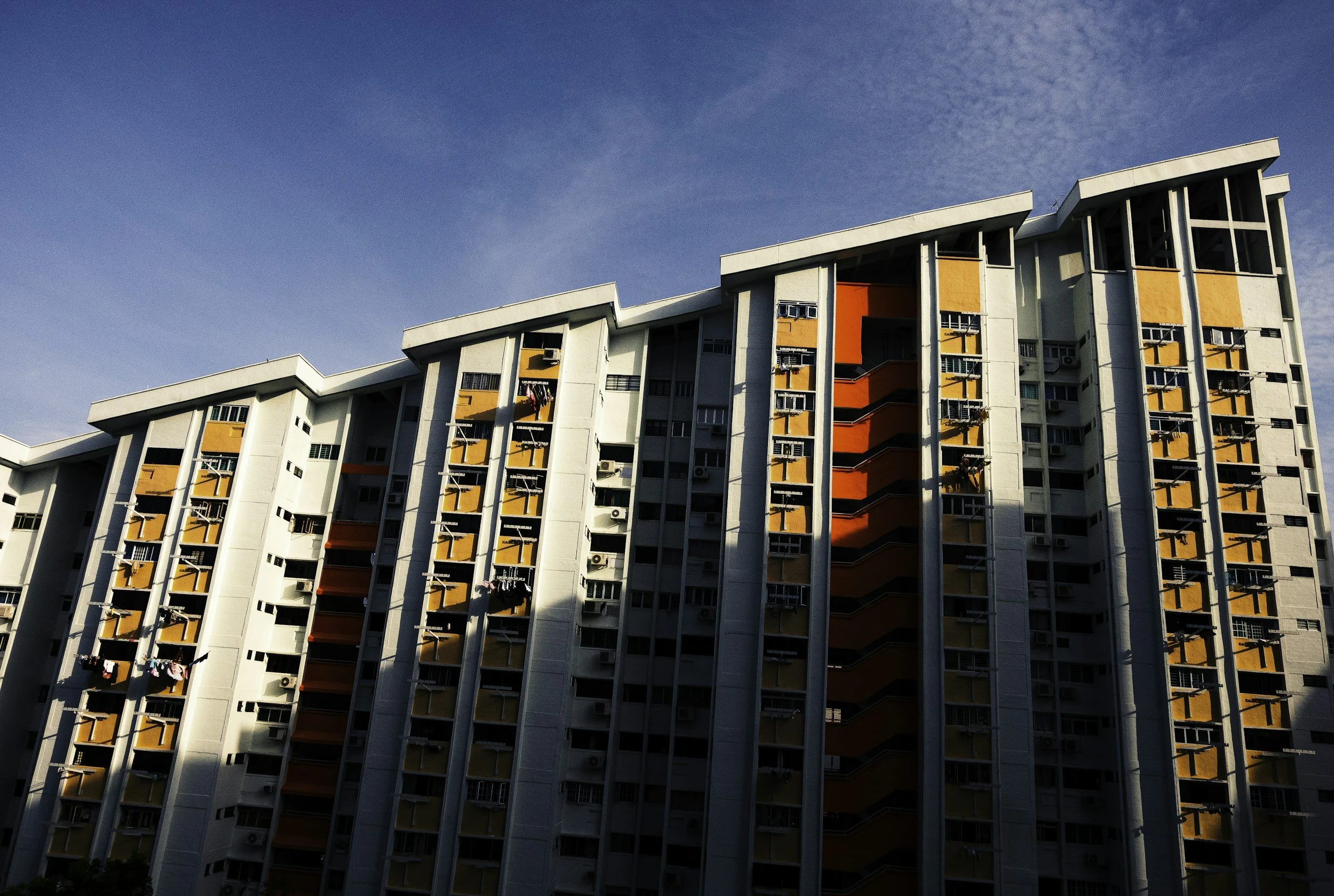
Another way to reduce development costs is to increase density, or build more housing units per area of land. This decreases development costs because it lowers both land and material costs (fewer materials are need since housing units have shared walls.
Higher density residential construction has other benefits, including:
ENVIRONMENTAL: Development doesn’t need to take up as much land. This leaves more land that can be preserved and store carbon (reducing climate change), provide habitat for plants and animals, cool local temperatures, and prevent soil erosion during storms (via plant root systems).
TRANSPORTATION: There is less need for development to “sprawl” and for people to live far away from friends, jobs, food, health care, and other needs. This results in fewer miles traveled in the car, reducing transportation costs and reducing traffic congestion. This also has environmental benefits, as there are lower carbon emissions from tailpipes.
TAXPAYER MONEY: Less sprawl means less of a need for public infrastructure, such as roads, power lines, sewer, and water lines.
Stopping bias in housing policy
*NFHA is the leading fair housing movement. Use this link to learn more about specific programs that may be relevant to your or your community.
*This source also provides a detailed overview of the legal protections available to immigrants in housing, specifically protecting civil rights.
*Within this resource, use the member search tool to find a fair housing center near you, use the equitable housing mapping tool, use the interactive tool Frontdoor to seek assistance with rental housing and utilities, browse legal resources available to you, and explore all topics with the “resource center”.
Policies to Increase Density or Reduce Development Costs
INCREASE DENSITY
Zoning
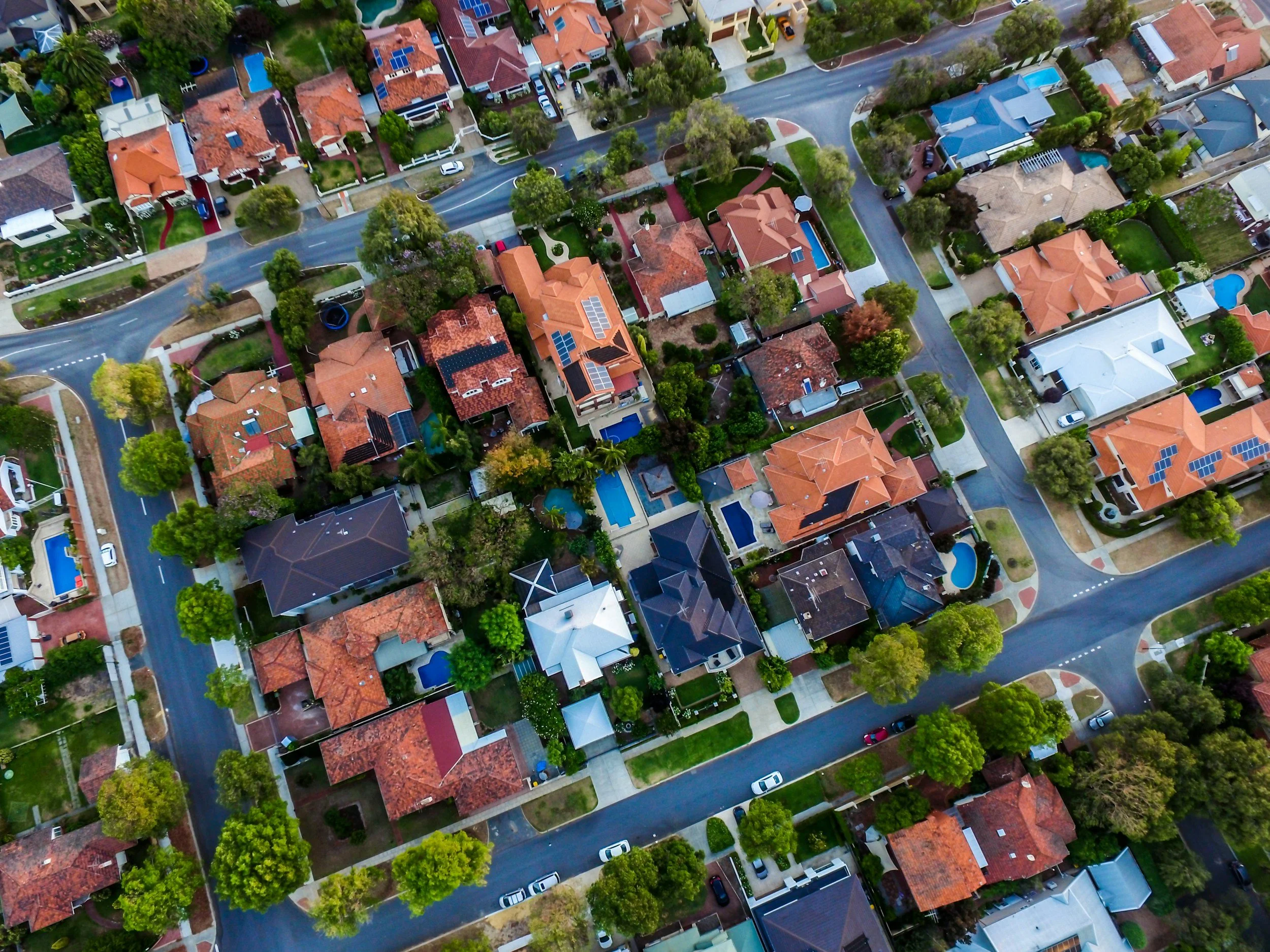
Every city has a zoning ordinance. These regulations dictate what kinds of land uses are permitted in certain areas. In the US, most residential zoning districts restrict housing to 1 single-family detached unit per property. We recommend asking your city’s Planning & Zoning Department and City Council to update the zoning ordinance to allow multi family buildings in residential zoning districts.
Note: This does not mean that huge apartment buildings have to be built. There can still be some upper density limits. Density and supply can still increase significantly just by allowing buildings with 2, 3, or 4 housing units per property (also known as duplexes, triplexes, and quadplexes).
REDUCE DEVELOPMENT COSTS
Encourage your city to explore ways to:
Make the development permitting process faster to reduce developer staff time that is required
Reduce impact fees or other exactions. Impact fees are payments the developer makes to the city to cover the cost of infrastructure needed to serve the new residents (roads, stoplights, water, sewer, etc). Other exactions include other ways the city gets something in return from the developer, often as a way to offset negative effects of the development. These include parks on site, nearby intersection improvements, funds donated for a new school, among others.
Note: While allowing more development and/or reducing development costs are sometimes necessary to make housing more affordable, it is important not to compromise too much. Carefully consider the effects of any change in the requirements of the development process on issues those requirements are intended to address. For example, it may not be a good idea to eliminate stormwater and flood mitigation requirements, or policies that encourage architectural beauty.
SHIPPING CONTAINERS
Recycling old shipping containers is sometimes proposed as a way to provide cheap housing. It is true that for someone who has an immediate need for shelter, a shipping container can provide a stronger alternative to a tent. However, they do not make sense as medium or long-term housing. The cost of modifying a shipping container to add doors, windows, a foundation, insulation, roofing, wiring, plumbing, and walls to cover the wiring is comparable to building a home from scratch using a wood frame. There is also a justice issue here, as this forces people to live in very small quarters. Allowing for adequate housing supply in a city would likely result in someone at the same income level living in a more desirable space, or at least having the option to do so.
10 actions cities can take to improve housing
This site can be used to learn about actions you should participate in or advocate for to your local government.
(1) Legalize more apartment units
(2) Legalize accessory dwelling units
(3) Eliminate or reduce parking requirements
(4) More quickly and predictably approve developments that meet zoning laws
(5) Build more affordable housing near transit
(6) Establish and expand more affordable housing trust funds
(7) Improve housing voucher programs
(8) Maintain and establish emergency rental assistance programs
(9) Inventory and allocate public land for affordable housing
(10) Support community land trusts
Read the full article here.

RENT CONTROL
Establishing limits on how expensive rent can be is sometimes proposed as a way to make housing more affordable. However, rent control often has detrimental effects on housing quality. This is because property owners may no longer perceive a benefit from maintaining rental units if they cannot charge market-rate rent. If the amount of rent they can charge for a clean, functioning unit is not significantly more than the amount they can charge for a substandard unit, they will not have a reason to put money into upkeep and the unit will fall into disrepair.
Rent-controlled housing that is owned by a public entity, such as a local Housing Authority, can make sense in certain cases on a small scale. In an unaffordable city, this can provide a short-term housing solution for some people. However, the construction and maintenance of these units is paid for by government/ taxpayer money, and there may not enough public money in the world to provide adequate cheap housing for everyone. This should not be thought of as the primary solution to expensive housing. As explained above, allowing developers to build more houses (with regulations and guardrails) by increasing density is more efficient, as the private sector will pay for it, and it is also more effective.
Additional Resrouces
Relevant Articles:
*Justice Supply Pro-Housing Movement
This article argues that to bring down housing costs, we need federal reform back by a mass social movement. Read the full article to learn more about putting ideological positions into action and recognizing the strengths of a community to encourage advocacy.
*Innovative Local Solutions Can Ease America’s Housing Crisis
Read this article to learn more about local solutions you can participate in or share with your community.
Smart growth and housing
This article includes resources from EPA and Federal agency partners that explore the intersecting issues of housing development and the environment.
*Solar for All: Affordable Housing Highlights
*EPA Engagement with Energy Communities
*Increasing the Supply of New Affordable Housing Toolkit
*Energy Efficiency and Renewable Energy in Low-Income Communities: A Guide to EPA Programs
*Location Efficiency and Housing Type – Boiling it Down to BTUs
*Smart Growth Guidelines for Sustainable Design and Development

FHEO Contact information
This source provides contact information for the US Department of Housing and Urban Development. You can find contact information and information on yout regional FHEO office specifically for EPA Region 4.